| |
| Wednesday, 07 October 2026 |
| The Bronze Age Frescoes from Santorini:The Art of Atlantis |
| Stephen Kershaw |
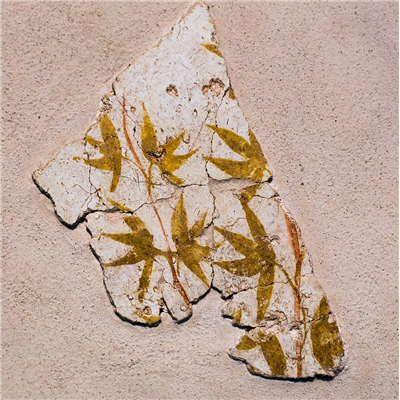 |
Inspired by Steve's appearance as an expert contributor in a Channel 5 TV documentary about ruined ancient cities, “The Bronze Age Frescoes from Santorini: The Art of Atlantis?” indulges in a sumptuously illustrated look at some outstanding ancient Greek artworks, and the intriguing possibilities of interpretation that they have produced. In around 1625 BCE the thriving harbour town of Akrotiri on the island of Santorini was overwhelmed in a cataclysmic volcanic eruption that both destroyed and preserved the one of the most wondrous sets offrescoes to emerge from the ancient world. Now beautifully restored, they give us some extraordinary insights into the style, composition, and techniques of manufacture of their incredibly gifted artists, as well as remarkable visions of the ships, architecture, dress, jewellery, and natural environment of the islanders of Bronze Age Santorini. Steve will also explore the seductive question of whether this 'Pompeii of the Aegean' could present geological, archaeological and historical clues to show that the legend of Atlantis was inspired by the greatest natural disaster of the ancient world. |
|
| Wednesday, 04 November 2026 |
| Antony Gormley and the new face of tradition(s) |
| Frank Woodgate |
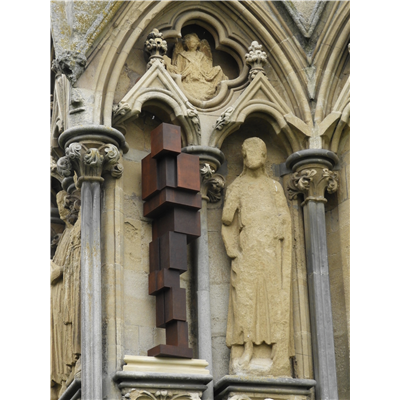 |
Antony Gormley makes fascinating and challenging sculptures based on his own and other people’s bodies. Many of his works are life-size and made of lead or other metal, and can often be found in unusual locations such as the Australian desert, in the sea off the Liverpool coast or on the rooftops of London. Works other than these very personal portraits range from the enormous Angel of the North, which is 65 feet (20 metres) high and can be seen at a great distance from the A1 at Gateshead, to his various fields of tens of thousands of small clay figures made under his guidance by ordinary members of the public. At both ends of the scale, his work is astonishing and thought-provoking, and sheds a new light on the tradition of sculpture involving the human body. |
|
| Wednesday, 13 January 2027 |
| The Women's Orchestra of Auschwitz: A Story of Survival and Music |
| Anne Sebba |
 |
In 1943, the German SS officers in charge of Auschwitz-Birkenau ordered that an orchestra should be formed among the female prisoners. Forty-seven women and girls were drafted into a hurriedly-assembled band that would play to other inmates as they left each morning and as they returned at the end of the day. They were made to give weekly concerts for Nazi officers, and members were sometimes summoned to give individual performances of an officer’s favourite piece of music. For almost all of the musicians chosen to take part, the orchestra was to save their lives. |
|
| Wednesday, 03 February 2027 |
| She Loves You (The Music of the 60s 1960 - 1964) |
| Steve King |
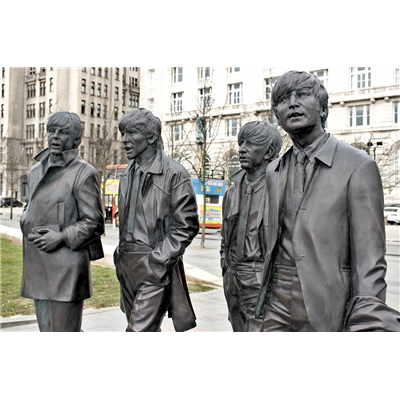 |
By 1960 interest in rock ‘n’ roll had started to fade, its biggest star was moving on and a new generation of teenagers were seeking something different. It came in the form of the Beatles, who broke all the rules and all the records. This is the story of the first five years of the 1960s, one of the most creative and innovative periods in the history of music, featuring all the major artists, important broke all the rules and all the records. This is the story of the first five years of the 1960s, one of the most creative and innovative periods in the history of music, featuring all the major artists, important songs and principle musical genres. Photograph by Niamfrifruli |
|
| Wednesday, 03 March 2027 |
| Notre Dame de Paris - Its Iconic Status in French history |
| Carole Petipher |
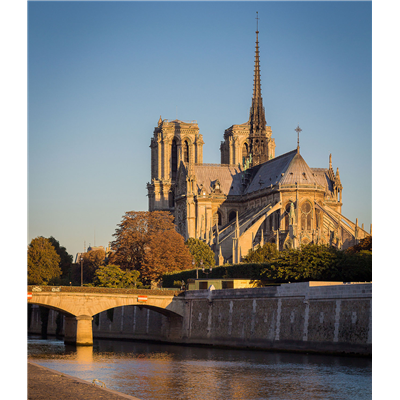 |
In December 2024, Notre Dame Cathedral in Paris, often referred to as the Soul of the City, reopened to the public after a devastating fire had threatened to destroy it 5 years earlier. A seemingly impossible target had been set by the French President to rebuild; yet huge sums of donated money and teams of expert restorers ensured the timescale was met. Such is the symbolic power of this cultural icon in the psyche of the French people and indeed people beyond. Photograph by Antonin Subtil |
|
| Wednesday, 07 April 2027 |
| Art of the Mughal World |
| Georgina Bexon |
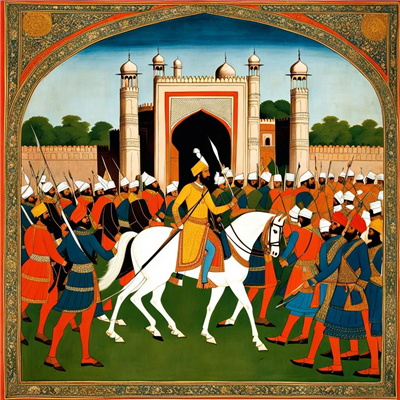 |
The 16th to 18th centuries in India witnessed the golden artistic period of Mughal rule, marked by a unique flowering of art and architecture and unrivalled in luxury and opulence.These mighty Emperors were dedicated patrons of skilled artists, sculptors, jewellers, engravers, architects, poets and calligraphers whose creativity produced breathtakingly beautiful artworks and monuments. From Mughal miniatures with their luminous, jewel-like colours to the exquisite design and ornamentation of imperial palaces and tombs, this talk considers the fascinating fusing of Persian, European, and indigenous Indian influences that produced this glorious work. |
|
| Wednesday, 05 May 2027 |
| The Echoing Scream - The Birth of Expressionism |
| Gavin Plumley |
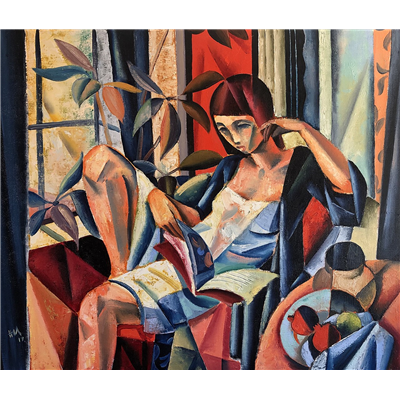 |
When Edvard Munch created The Scream in 1893, he was responding to an intense emotional experience. Today, we would call it a panic attack. Crippling and anxious making, this primal cry was also a rallying call: for Munch and for the wider world of art. It gave birth to a movement known as expressionism, showing life not at it is (realism) or as it might be perceived in a fleeting moment (impressionism), but as it is experienced within the unembellished core of our being. Explosive and emotive, the aftershocks of Munch’s vision were felt across the world: in art and music, literature, dance and film. Photograph by Hennie Nieman |
|
| Wednesday, 02 June 2027 |
| The (other) Sack of Rome: An Investigation into an extraordinary moment of Renaissance History |
| Sarah Dunant |
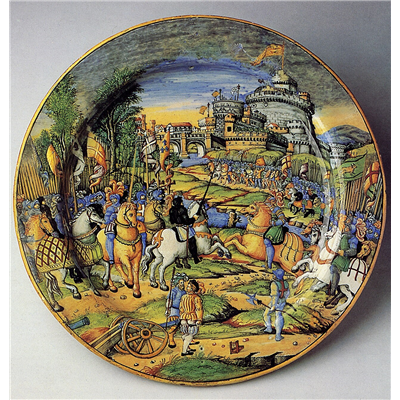 |
By the 1520s Rome, fuelled by the wealth of the Catholic church, was the great centre of the renaissance. But in 1527 the unthinkable happened and for only the second time in her history, the city was invaded by an army of unpaid and half starving mercenaries. Many were German Lutherans with an intense hatred of Catholics and the Pope, who they saw as ruling over a cesspit of corruption and pornography. (Spoiler alert: they were not wrong). Palaces and homes were occupied, their owners killed and tortured to reveal treasure. Convents and monasteries were sacked, inmates raped and murdered, art and relics destroyed. |
|
| Wednesday, 07 July 2027 |
| Catherine the Great: The World's Greatest Collector |
| Andrew Prince |
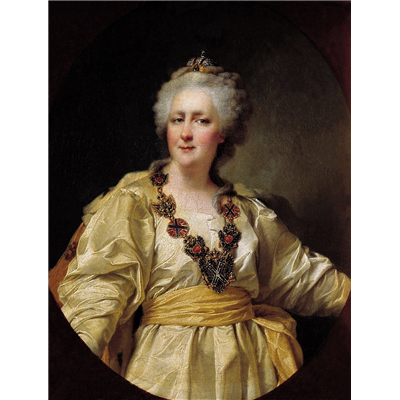 |
In 1745, a Princess from the minor province of Anhalt-Zerbst in Saxony, married Prince Karl Peter Ulrich of Schleswig-Holstein-Gottorf, heir to the Imperial Russian Throne. She was Princess Sophie Auguste Frederike and by 1762 she had deposed her husband, was crowned Empress Catherine II and became the sole ruler of the Russian Empire. With seemingly inexhaustible wealth, she set about creating the most glittering court in Europe, if not the world. |
|
| Wednesday, 01 September 2027 |
| A Private Palace of Art: Frederick Leighton's Studio House |
| Daniel Robbins |
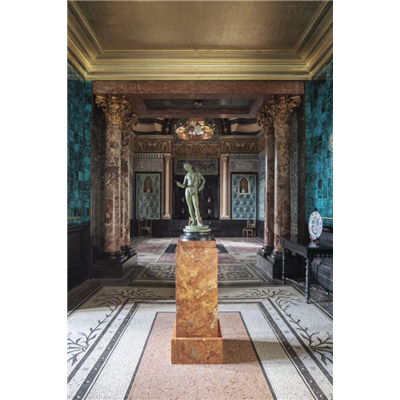 |
Frederic Leighton’s studio-house (now Leighton House Museum) is one of the most remarkable buildings of the nineteenth-century. First built in the 1860s, Leighton continued to extend and embellish his home over the next thirty years, transforming what had been a relatively modest house into a palace of art filled with fascinating collections of fine and decorative art. The construction of the exotic Arab Hall, lined with Islamic tiles collected as Leighton travelled through the Middle East brought new fame to the house as Leighton’s reputation continued to grow. Photograph by Mark Percy |
|
| Wednesday, 06 October 2027 |
| A History of Jewellery from Elizabeth 1 to Elizabeth Taylor |
| John Benjamin |
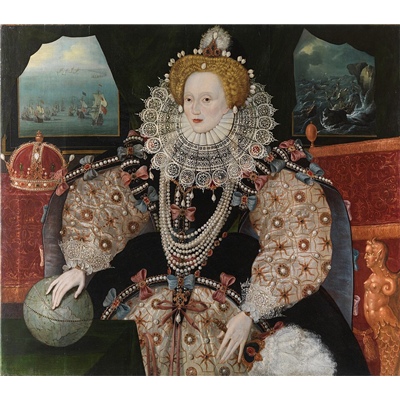 |
Four hundred years of international jewellery design, examining the changing styles from the pomp of High Renaissance enamelled gold work to the glamour of Harry Winston diamonds. This presentation covers many of the key elements of manufacture, including the progress of diamond cutting, Neoclassicism and Romanticism, 19th century Archaeological and Renaissance Revivalism, the impact of diamond mining in South Africa, Art Nouveau, Arts & Crafts and Art Deco, Post War Modernism and designs of the future. Other important areas covered include Cartier and the introduction of platinum jewellery as a statement of style and the jewels of the Duchess of Windsor. |
|
| Wednesday, 03 November 2027 |
| A Bit of a Carry On |
| Tyler Butterworth |
 |
Not exclusively about the famous film genre but a revealing and often moving look at the lives of two much loved actors, Carry On star Peter Butterworth, and his wife, Britain’s first female tv mpressionist Janet Brown, best known for her impression of Mrs Thatcher. |
|